
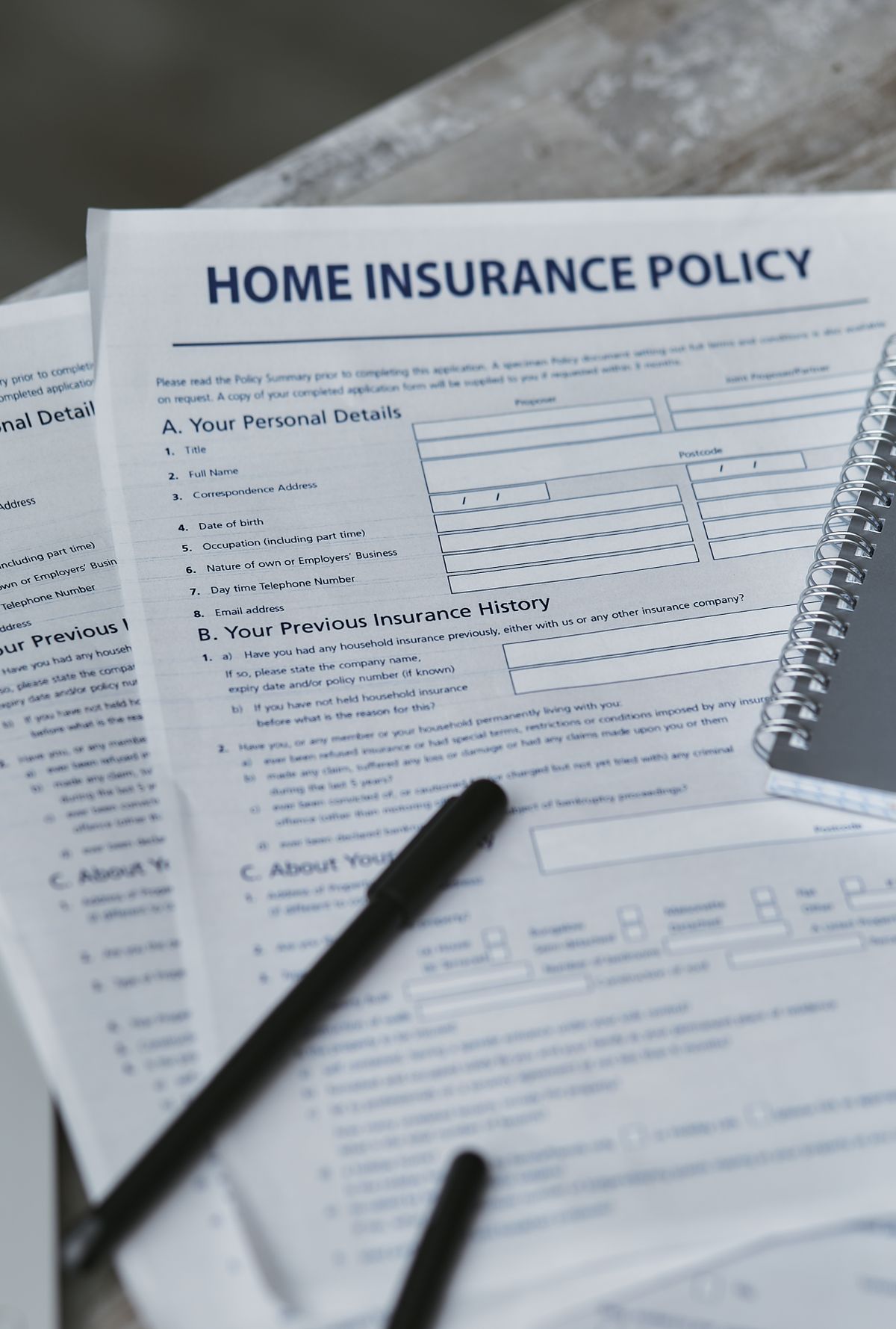
Dealing with a denied home warranty claim? Stay calm, because a denial is not always the end. The first steps are to get the reason in writing, check it against your contract, and send a clear written appeal with your evidence. This guide walks you through each step, so you know what to ask for and where to go if the company does not respond.
Quick answer for a denied home warranty claim
- Step 1: ask for the denial and its reason in writing.
- Step 2: find the exact contract section the company relies on.
- Step 3: collect receipts, photos, dates and the technician report.
- Step 4: send a written appeal and set a reply deadline.
- Step 5: if there is no answer, file a complaint with your state insurance office and the BBB.
No letter can promise approval, but a clear, documented request is the strongest place to start.
Last updated: October 4, 2026
Why Home Warranty Claims Get Denied
Knowing the reason tells you how to respond. Companies commonly cite the following when they refuse a claim:
- Pre-existing condition: the company says the problem began before your coverage started.
- Lack of maintenance: the company says the failure came from poor upkeep.
- Wear and tear or age: the item is described as simply worn out, or the contract limits older equipment.
- Excluded item or cause: the part, the room or the cause is listed as not covered.
- Coverage limit reached: the claim is above a per-item or yearly cap.
- Code or permit issues: the repair would require work that the contract does not pay for.
Not every denial is wrong. Some match the contract exactly. But some rest on a misreading or on missing evidence, and that is where an appeal can help. If you have not yet compared contracts, our guide to the best home warranty companies shows how plans differ, and are home warranties worth it explains what plans usually leave out.
What to Do After a Denied Home Warranty Claim: 7 Steps
1. Get the denial in writing
After a denied home warranty claim, a phone call is hard to prove later. Ask for an email or letter that states the reason and the exact contract provision used. Write down the date, the representative’s name and any reference number.
2. Re-read your contract
Look at the covered items, the exclusions, per-item limits, maintenance requirements and the claim or dispute section. Check whether the reason you were given actually appears there. Our Choice Home Warranty review and Select Home Warranty review list common limits to look for.
3. Collect your evidence
Gather service receipts, photos, videos, dates, and anything the technician wrote or said. If the denial says the item was not maintained, add records of filter changes, servicing or inspections. If it says the problem was pre-existing, add a home inspection report or earlier repair record that shows the item worked.
4. Ask for the technician report
The technician’s notes often explain the real basis for the decision. Request a copy of the report, notes and photos, because you can only answer a reason you can see.
5. Send a written appeal
Keep it short and polite. State the facts, name the contract section, attach your evidence, say what you want (repair, replacement or a written explanation) and set a reply date such as 14 days. You can build a ready-to-edit letter in a few minutes with our free home warranty claim appeal letter generator. It runs in your browser and does not store what you type.
6. Escalate inside the company
Ask for a supervisor or the appeals team and refer to your earlier letter. Send messages by email, and use certified mail for the formal letter so you have proof of delivery.
7. Go outside the company if needed
If there is no answer or the reason stays unclear, file a complaint with your state insurance or consumer protection office, with the Better Business Bureau and with the FTC. See the complaint section below.
Which Evidence Helps for Each Denied Home Warranty Claim
| Reason given | Ask the company for | Evidence that helps you |
|---|---|---|
| Pre-existing condition | The report or record it relied on | Inspection report, earlier repair invoices, photos |
| Lack of maintenance | The contract maintenance clause | Service records, receipts, dated photos |
| Wear and tear | The exact wording that excludes it | Contract text showing the item is covered |
| Item or cause not covered | The page and section cited | Your contract, optional add-on proof |
| Coverage limit reached | A cost breakdown of the claim | Invoices and the limit stated in your plan |
Mistakes to Avoid After a Denied Home Warranty Claim
- Relying only on calls. Without a written record, it is your word against theirs.
- Starting repairs without approval. Many contracts require authorization first, so ask before you pay.
- Sending an angry message. A calm, factual letter is easier for a reviewer to act on.
- Missing a deadline. Check the contract for time limits to file a claim or dispute.
- Throwing away paperwork. Keep every email, invoice and photo until the matter is closed.
When an Appeal Is Less Likely to Work
Be realistic about a denied home warranty claim. If your contract clearly excludes the item or the cause, or the claim is above the stated limit, a letter alone may not change the outcome. In that case, read the plan before you renew, compare options in our home warranty cost guide, and decide whether another plan fits you better. Our rating method explains what we look at when we compare companies.
Where to File a Complaint
- State insurance department: in many states this office oversees home warranty companies. The NAIC lets you find your state department.
- Better Business Bureau: you can file a complaint with the BBB.
- FTC: read the FTC’s consumer advice on home warranties and report deceptive practices at ReportFraud.ftc.gov.
Ready to appeal your denied home warranty claim? Use the free appeal letter generator to create a clear letter in about 2 minutes. You can edit it, print it or download it. It is a writing aid, not legal advice, and it cannot promise a claim will be approved. See all our home warranty tools.
Frequently Asked Questions
Can a home warranty company deny a claim for a pre-existing condition?
Many contracts exclude problems that existed before coverage began, so a denial on this ground is common. You can ask the company to show the evidence behind it, such as an inspection report or prior service record, and you can send your own proof that the item worked before the contract date.
Is it illegal for a home warranty company to deny my claim?
Not by itself. A company may deny a claim when the contract excludes the item or the cause. A denial can still be questioned if it misreads the contract or ignores your evidence, and state rules differ, so check with your state insurance or consumer protection office if you are unsure.
Should I pay for the repair myself while I appeal?
Ask the company in writing first whether it would reimburse a repair you arrange, because many contracts require approval before work starts. If you must pay to restore a basic service, keep every invoice, photo and message so you have a record.
Can I cancel my plan after a denied claim?
Contracts usually describe how and when you can cancel, and some charge fees or refund only part of the price. Read the cancellation section before you decide, and note that cancelling does not automatically reverse a denial.
This guide is general information, not legal advice. Contract terms and state rules vary, so check your own contract and speak to a licensed attorney about a serious dispute.